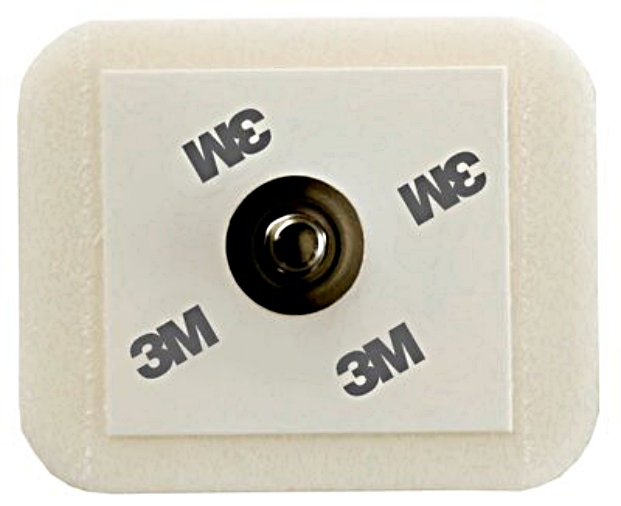
In the realm of medical diagnostics and patient monitoring, precision and reliability are paramount. 3M Electrodes , a cornerstone in professional medical environments, play a pivotal role in ensuring accurate readings and patient comfort during electrodiagnostic procedures. This comprehensive guide delves into the various aspects of 3M Electrodes, exploring their types, applications, and best practices for use in healthcare settings.
Types of 3M Electrodes
3M offers a diverse range of electrodes, each tailored for specific applications:
• Foam Electrodes : Ideal for short-term monitoring, these are equipped with a sticky adhesive and are designed to stay in place during the monitoring.
• Cloth Electrodes : These provide flexibility and greater comfort, suitable for long-term monitoring.
• Wet Gel Electrodes : Known for their quick, strong readings and better adhesion, these are frequently used in emergency situations.
• Solid Gel Electrodes : These offer consistent quality of signal with less skin irritation, perfect for sensitive skin or long monitoring sessions.
Applications in Medical Settings
3M Electrodes are indispensable in various diagnostic and monitoring scenarios:
• ECG Monitoring : Essential during surgeries, ICU monitoring, and routine check-ups to assess the heart’s electrical activity.
• EEG Tests : Used in neurology for diagnosing conditions like epilepsy and sleep disorders.
• Stress Tests : Specifically designed to record during physically demanding conditions where the patient is under exertion.
• Holter Monitoring : Used in continuous recording of heart activity, typically over 24 to 48 hours.
Best Practices for Usage
To maximize the effectiveness of 3M Electrodes and ensure patient safety, medical professionals should adhere to these guidelines:
• Proper Skin Preparation : Clean the area of skin where the electrode will be placed to remove oils and dead skin that could impede connectivity.
• Correct Placement : Follow the specific guidelines for electrode placement pertaining to the type of test being conducted to ensure accurate readings.
• Regular Checks : Regularly check the adhesive and connectivity of the electrode, especially during long-term monitoring, to maintain consistent signal quality.
• Disposal and Replacement : Dispose of single-use electrodes properly and replace them as recommended to uphold hygiene and performance standards.
Conclusion
3M Electrodes are a critical component in the arsenal of medical tools used for monitoring and diagnostic purposes. Their varied types ensure that there is a suitable choice for every medical scenario, from acute emergency situations to prolonged monitoring. By following best practices for their use, healthcare professionals can ensure they are getting reliable and accurate data essential for patient care. Understanding the specific functionalities and applications of these electrodes will aid in their optimal utilization, contributing to enhanced patient outcomes and streamlined medical processes.
Nothing Here Is Guesswork, Sources Cited
Alfredia Aleman
Embark on a captivating odyssey of intellectual exploration alongside Alfredia Aleman, a luminary whose boundless curiosity fuels a relentless pursuit of knowledge and enlightenment. With a literary finesse that transcends boundaries, Aleman's writings traverse a diverse array of industries and subjects, illuminating the intricate tapestry of human experience. A master wordsmith, Aleman weaves narratives that inspire introspection and challenge conventional thinking, inviting readers to embark on transformative journeys of self-discovery. From the depths of philosophy to the heights of technology, Aleman's pen navigates the complexities of our world with profound insight and clarity. With a keen intellect and insatiable thirst for understanding, Aleman's work serves as a beacon of illumination in a sea of uncertainty, guiding readers toward deeper truths and richer perspectives. Whether delving into the realms of science, culture, or literature, Aleman's writing captivates the imagination and ignites the flames of intellectual curiosity. Join Alfredia Aleman on a voyage of discovery, where every page offers a glimpse into the profound depths of human knowledge and the endless possibilities of the human spirit.