Waste Dumpster Rental for Block Wall, Paver, and Hardscape Debris
A waste dumpster rental for hardscape removal must be selected according to material weight, not just the amount of space the debris appears to occupy. Block, concrete, pavers, gravel, tile, and mortar can make a container extremely heavy before it looks full, so Buckeye property owners should confirm container type, weight limits, and accepted materials before loading begins.
Why Does Hardscape Debris Require Different Planning?
Removing a block wall, paved walkway, patio, retaining border, or other hardscape feature produces dense construction debris. Unlike furniture, branches, packaging, and household clutter, masonry materials place substantial weight into a relatively small volume.
A pile of broken pavers may not look large enough to require careful planning. Once the pieces are placed inside a dumpster, however, their combined weight can affect container selection, loading limits, transportation, and disposal.
This is why a general dumpster rental chosen for bulky household waste may not be appropriate for concrete or masonry. The rental provider needs to know exactly what materials will be removed before recommending a container.
What Materials May Come From a Hardscape Project?
Hardscape removal can produce more than one type of debris. A block wall project may create concrete masonry units, mortar, reinforcing materials, caps, and footing pieces. Paver removal may produce bricks, concrete pavers, sand, gravel, edging, and compacted base material.
Patio and walkway projects may also include:
- Broken concrete
- Natural or manufactured stone
- Ceramic or clay tile
- Asphalt pieces
- Landscape rock
- Dirt and excavated soil
- Metal edging or reinforcement
- Wood borders or forms
These materials should not automatically be placed in the same container. Some providers allow clean concrete, brick, block, asphalt, or tile together, while dirt, vegetation, household waste, and mixed construction debris may require separate approval.
Why Is Weight More Important Than Container Volume?
Dumpster sizes are commonly described in cubic yards, which measure volume. For hardscape removal, the included weight allowance and maximum hauling weight are equally important.
Dense debris can reach the container’s weight limit while leaving considerable open space. Filling the remaining space simply because the container does not look full may create an overweight load.
Before ordering a construction dumpster rental, estimate the dimensions and depth of the material being removed. For a patio or walkway, calculate the approximate surface area and thickness. For a block wall, consider its length, height, block type, footing, and any concrete-filled sections.
These figures do not replace guidance from the provider, but they give them useful information for recommending a suitable container.
Should Clean Masonry Be Separated From Mixed Debris?
Keeping concrete, pavers, block, brick, tile, or asphalt separate from general waste can simplify disposal. A load described as clean masonry generally contains only the approved dense materials identified by the rental provider.
Mixed debris may include lumber, drywall, plastic, packaging, vegetation, furniture, or household items. Adding these materials to a container intended for concrete or dirt can change how the entire load must be handled.
Create separate staging areas before work begins. Place reusable pavers or blocks in one area, approved masonry debris in another, and general construction waste in a third. This prevents workers from placing every removed material into the closest container.
Ask the provider about uncertain materials before loading them. Disposal requirements can vary by material and facility.
What Dumpster Size Works for Block and Paver Removal?
The appropriate size depends on the weight and composition of the debris rather than the overall size of the property. A small container designed for dense materials may be more suitable than a large roll off dumpster rental intended for lighter renovation waste.
Provide the rental company with a detailed project description. Explain whether the work involves a block wall, concrete slab, paver patio, landscape rock, tile, soil, or a combination of materials.
Also mention whether the project includes general renovation waste. A contractor removing a patio and rebuilding an outdoor area may generate masonry, lumber, packaging, vegetation, and other debris during different phases. Separate containers or scheduled exchanges may be more practical than mixing everything together.
When reviewing a provider’s waste dumpster rental information, confirm the included weight, rental period, accepted materials, delivery access requirements, and procedures for requesting an early pickup or container exchange.
Where Should the Dumpster Be Placed?
The placement area should be level, firm, and accessible to the delivery truck. Driveways and construction areas must also provide enough overhead and surrounding clearance for container placement and pickup.
Keep the dumpster away from excavation edges, irrigation lines, utility work, parked vehicles, gates, and material storage. The truck may need more operating room than the container itself occupies.
A container placed too close to the active work area can interfere with equipment and deliveries. One placed too far away may encourage workers to create temporary debris piles between the project and dumpster.
Before using a street or other public area, confirm current city, neighborhood, and homeowners association requirements.
How Should Heavy Debris Be Loaded?
Load dense debris slowly and distribute it across the floor of the container. Do not place all concrete, block, or pavers in one corner, because concentrated weight can make the load uneven.
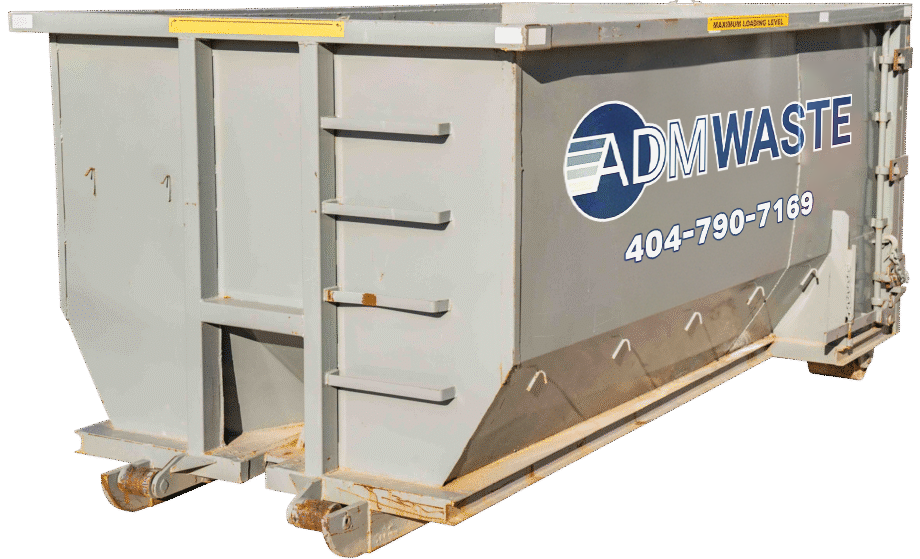
Materials must remain below the container’s marked fill line. A masonry dumpster may reach its weight allowance well before debris reaches the top, so follow the provider’s instructions rather than using container height as the only guide.
Avoid dropping large pieces from unnecessary heights. Controlled loading reduces the risk of debris bouncing outside the container or damaging the container floor.
Workers should also keep the area around the dumpster clear of loose fragments that could create walking or tire hazards.
How Should the Rental Schedule Match the Project?
Schedule delivery shortly before removal begins. An early delivery can consume rental days before the container is needed, while a late arrival may leave debris blocking the work area.
Estimate how quickly the wall, patio, or walkway will be removed. If the work will occur in phases, ask whether an early pickup, container swap, or second delivery is available.
Weather should also be considered. Wind can move lightweight mixed debris, while rain may affect soil, access conditions, and the weight of certain materials.
Build a Safer Hardscape Cleanup Plan in Buckeye
Block wall, paver, and hardscape removal becomes easier to manage when disposal is planned before the first section is removed. Identify each material, separate dense debris from general waste, estimate the project dimensions, and confirm weight limits with the rental provider.
Contact a Buckeye dumpster company with photographs and a clear description of the work area and debris. The right container, placement plan, and pickup schedule can help keep the project organized from removal through final cleanup.

Embark on a captivating odyssey of intellectual exploration alongside Alfredia Aleman, a luminary whose boundless curiosity fuels a relentless pursuit of knowledge and enlightenment. With a literary finesse that transcends boundaries, Aleman’s writings traverse a diverse array of industries and subjects, illuminating the intricate tapestry of human experience.
A master wordsmith, Aleman weaves narratives that inspire introspection and challenge conventional thinking, inviting readers to embark on transformative journeys of self-discovery. From the depths of philosophy to the heights of technology, Aleman’s pen navigates the complexities of our world with profound insight and clarity.
With a keen intellect and insatiable thirst for understanding, Aleman’s work serves as a beacon of illumination in a sea of uncertainty, guiding readers toward deeper truths and richer perspectives. Whether delving into the realms of science, culture, or literature, Aleman’s writing captivates the imagination and ignites the flames of intellectual curiosity.
Join Alfredia Aleman on a voyage of discovery, where every page offers a glimpse into the profound depths of human knowledge and the endless possibilities of the human spirit.